From the battlefield to the waiting room: Why veterans need better tech in healthcare
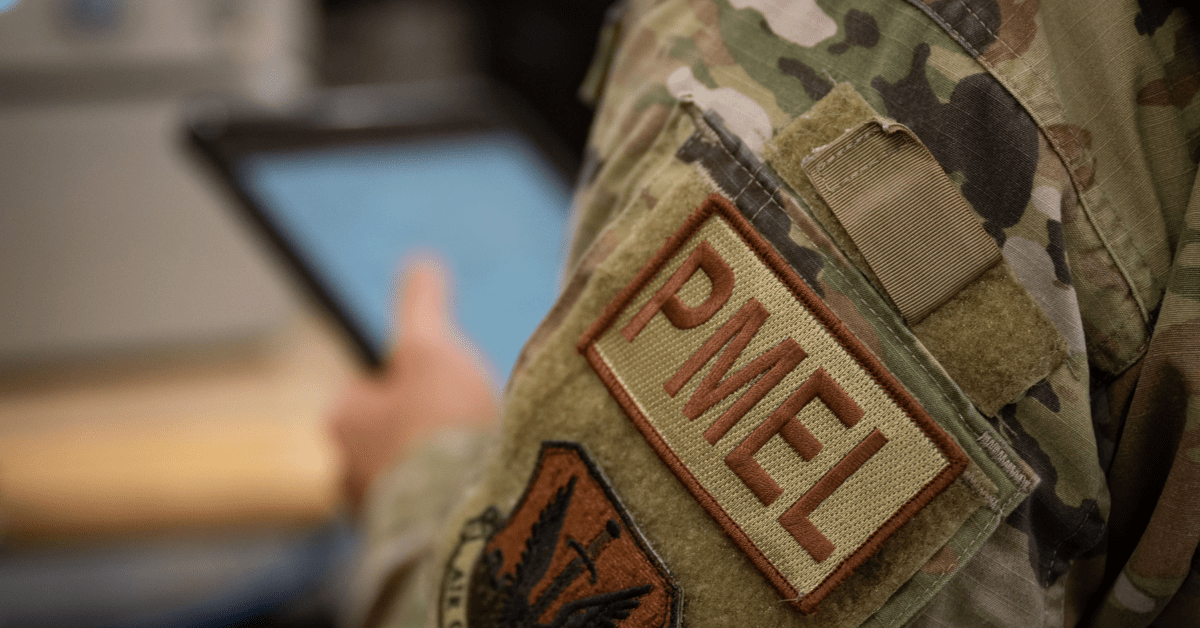
This Veterans Day, I had the chance to reflect on my experience navigating the transition between the military and civilian life and the immense opportunity we have to make life better for our Veterans. When I left the military, I had no idea how hard it would be to navigate the very healthcare system that’s supposed to care for us when we come home.
When I injured my knee, I asked for physical therapy but was handed a prescription instead. Only after months of little progress did I finally get therapy scheduled. Even then, long wait times made it take months more to be seen. That kind of delay doesn’t just cause frustration— it erodes trust.
And that was for a physical injury. For veterans facing mental health challenges, these kinds of waits can be even more devastating. Research from the VA shows that every day, 20 to 25 veterans take their own lives. Too often, it’s because they can’t get the help they need. The system is broken.
This is why I believe so strongly in the role technology can play in changing the story.
Technology as a lifeline
The average wait time for a VA behavioral health appointment near me is four to eight weeks. We can’t eliminate staffing shortages overnight, but we can use technology to bridge the gap.
With virtual and digital health solutions, veterans can access digital mental health support immediately. It’s not a replacement for in-person care, but it offers tools and coping strategies to make the wait more bearable. For someone struggling, that bridge matters. Sometimes, it saves lives.
Fixing broken connections
The VA has embraced virtual visits, but too many veterans only know of frustrating platform interactions. In fact, up to 60% of VA virtual visits end in a platform freeze or crash or transition to a phone call. That’s not just a technical glitch — it’s a lost chance for providers to truly see and connect with their patients.
With the right technology, face-to-face visits become the norm, not the exception. Reliable technology isn’t just about convenience; it’s the foundation for trust and effective care delivery.
Strengthening the workforce
Behind the technology challenges is another reality: the VA workforce is stretched thin. Some VA hospitals are modern and well-resourced, while others — especially in rural areas — are understaffed and outdated. Veterans in these locations often wait months for appointments, especially specialty care.
In fact, a new report from the Office of the Inspector General (OIG) finds that all 139 VHA medical campuses reported severe staffing shortages in 2025, marking a 50 percent increase from 2024, with major shortages including 94% of facilities for Medical Officers and 79% for Nurses.
With technology, we have the power to extend the reach of medical professionals, load balancing care where and when it’s needed most, which can be especially impactful for those in rural areas aka medical deserts. This directly supports the VA’s mission to optimize its workforce and ensure no veteran is left waiting simply because of where they live.
Continuing to serve
For me, this work is personal. Serving in the military gave me purpose and structure. Leaving that behind wasn’t easy. Many veterans struggle to find a new mission once they take off the uniform.
At Amwell, I’ve found mine. Every day, I get to be part of conversations and solutions that make care better for Service Members, Veterans, and their families. It’s not just about deploying technology — it’s about restoring trust, closing gaps, and honoring the service of those who wore the uniform.
Technology won’t solve every challenge overnight. But it can make a real difference. It can give veterans immediate access to tools when they’re struggling. It can ensure virtual visits actually work the way they should. And it can strengthen a healthcare workforce that’s stretched too thin.
We owe it to our veterans — and their families — to do better. The government has the resources, and the private sector has the innovation. The real question is whether we’ll come together to deliver solutions that work.